
The Real Story of the Lost Shooting Star Mine
This is an incredible true story, almost beyond belief, of a very rich mine discovered in the 1880, before Arizona was a state.
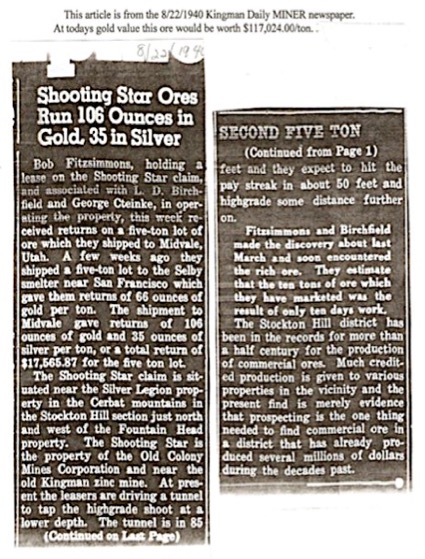
Kingman Daily Miner Newspaper 8/22/1940
Shooting Star Ores Run 106 Ounces in Gold, 35 in Silver.
This article from the 8/22/1940 Kingman Daily MINER newspaper. At todays gold this are would be worth USD$117,024.00 ton.
The Real Story of the Lost Shooting Star Mine
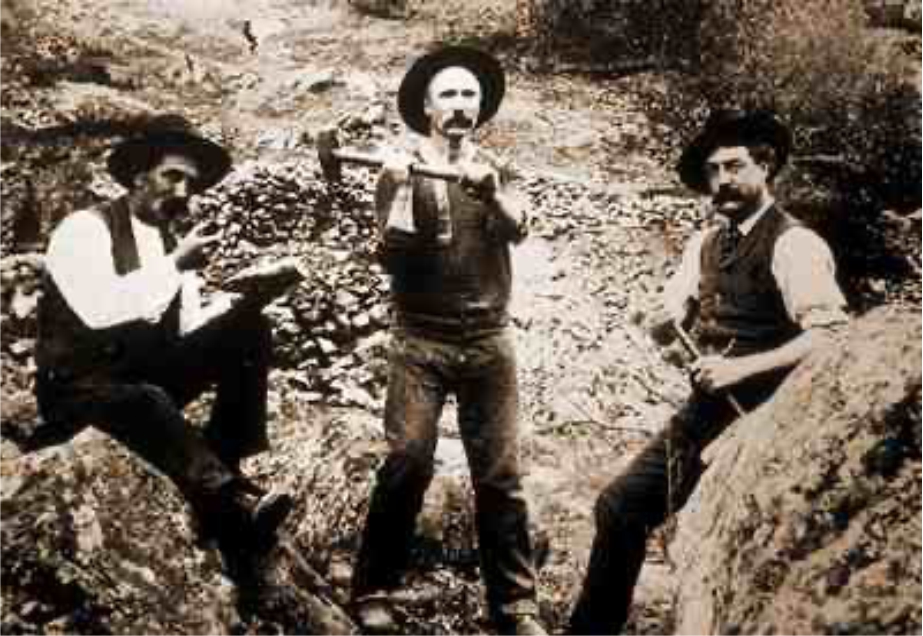
This is an incredible true story, almost beyond belief, of a very rich mine discovered in the 1880, before Arizona was a state. Over the course of the last century, it has been all but forgotten. In 1912 or thereabouts, a prospector discovered a very rich appearing gold vein while working on an existing claim on Stockton Hill Mining Camp near Kingman Arizona. The rich deposit was about 3 feet wide of almost pure zinc with very fine gold nuggets beautifully discolored by copper and iron.
The old miner and some of his friends struck a deal with the claim holder to work a small corner of his claim on a lease basis. They worked the ore at the nearby Cupel Mine and seemingly pocketed most of the gold without ever telling a soul. I believe this deception was to avoid paying huge royalties to the owners and perhaps to avoid paying Uncle Sam.
After they removed the “Free milling gold”’ they sent out the remaining zinc concentrates which still contained a little gold and a bonanza in zinc. The zinc was running about 20 percent which was unbelievable and the gold was reportedly only about .12 oz. per ton. The amount they pocketed before shipping is still unknown but the old workings are still there and I am in the process of chronologically assaying them from the beginning of the tunnels to the end, which will tell me exactly what was really there and when.
In later reports from 1917 we found in the Mohave County Miner Newspaper the gold was reported to be about 3⁄4 of an oz per ton. The ore was shipped to the zinc smelter in Bartlesville OK, and the Kingman Zinc Company was formed that was to take over for John Boyle lessee of the new discovery which was named Shooting Star. It is unclear what happened after 1917 because the newspaper was no longer reporting on this. Between 1912 and 1917 we found over 20 newspaper articles on the Shooting Star written in the Mohave County Miner.
From 1918 to 1940 little to nothing was heard of this discovery. In 1940 a new lessee Bob Fitzsimmons was on the scene and discovered gold of unheard quality, about 20 times higher than anything ever found in America. The gold was found on the surface while trenching to the northwest only several hundred feet above the old main shaft. Records indicate the discovery was on around mid-May. Rumors abounded for months all around Kingman about an incredible find beyond belief on Stockton Hill by the lessees of the claim. On August 20 1940 Elgin Holt reported details of the discovery by letter to unknown recipients about the discovery said to be on a claim owned by the Andy Goodwell Estate operated by the Old Colony Mine Corp. In this report he stated that he confirmed with the Valley Bank that $17,565.87 was received from a smelter return for a 4.87-ton shipment of ore from the Shooting Star. I discovered this report in a document from the archives of the Az. Dept of Mines. Obviously, the claim location was kept secret but it was reported as being midst a number of rich mines such as Fountain Head, Banner, Cupel and others.
Sometime after this a report was written the lessees submitted an article to Desert Magazine but this time the location was described as being near the Kingman Zinc Mine. The article was published on Oct. 3, 1940. When I was trying to discover the location of this mine in Feb 2009, I met an 80-year-old ex-miner at the Kingman Mining Museum library that told me he remembered a time in Kingman when “nobody hadn’t heard about this discovery”.
He told us that from spring of that year till midsummer the discovery on the hill was the only subject discussed by literally ever person in Kingman. He said car and wagon loads of prospectors were again literally crawling all over Stockton Hill in a tizzy to strike it rich. He said rumors reported the discovery was everywhere from Chloride to Mineral Park. Gold fever had struck again in Kingman!
On July 11, 1940 an article appeared in the Mohave County Miner. It was entitled Ore Shipment from Shooting Star Mining Claim Runs Over $2,000 per ton in Gold Value. [$118,800 per ton in today’s value] In this article it stated 5 tons were shipped to Selby Smelting plant near San Francisco which assayed before shipping, 66 oz of gold per ton and 35 oz of silver; however, the Smelter reportedly stole about 250 oz out of the 330 oz of gold contained. In this report the location was described as being near the Silver Legion claim on the east slope of the Cerbat Mountains.
On August 22, 1940 the Miner printed another article from Bob Fitzsimmons associated with L.D. Birchfield and George Cteinke (Possibly spelt Steinke) operators of the project. This time they shipped another 5 tons of ore to a new refiner in Midvale Utah that gave a net smelter return of $17,565.87 [today’s price of $954,000] At that time it was reported they had 5 more tons of ore at approximately the same assay awaiting shipment and they had driven a tunnel 85 feet in from a lower point of the hill which was about 50 feet from reaching the rich ore body below their discovery trench and shallow shaft from where this ore was removed.
[At today’s ore values the total of 15 tons they removed would have contained about 1400 oz of gold worth $2,520,000] In this article the location of the deposit was now reported to be just north and west of Fountain Head near the Kingman Zinc Mine. Mysteriously this is the last report we have found about this mine in 69 years, until this week, when I found an old map that had been miss-filed in the Kingman Mining Museums files!
The document was not dated but I believe it was made somewhere around 1926 by Ross Householder a professional Mining Engineer and Surveyor. Unbelievably, it had the Shooting Star sitting right in the middle of my mining claims!
Mining was stopped by the Government in 1942 due to the war and most miners lost their claims because they did not keep up their yearly assessment work and could not pay their yearly maintenance fee. In 1952, after the war, Al Beard (reported by many to be the best claim jumper in the County) somehow managed to acquire all the claims in this area but did little with any of them because he was busy working the Bluebell mine further up the hill and keeping everybody off the claims below at gunpoint. From 1952 Al worked Bluebell until he died some forty so years later. I was told upon his death that he was leasing with a purchase option these claims to James Shelago of Kingman who was injured when his backhoe rolled over while searching for 14 years for the Shooting Star, which he thought he might have found.
After Al’s death his children refused to work with Mr. Shelago and repossessed the claims the following year. For one reason or another, the children did not file the required affidavit of work or pay the yearly maintenance fee and the mines were forfeited back to the BLM.
Almost two years ago I met Mr. Shelago and purchased the two patented mining claims that were adjacent to Al’s claims but owned free and clear. After negotiating with James, who is still disabled from the accident, I agreed two purchase his last two remaining claims under the condition he would disclose to me the exact locations of Al’s richest claims. He agreed and I went out and staked and re-filed Al’s claims which unbeknown to me contained the Shooting Star which had been lost for nearly six decades!
This is truly where this story begins. This is the complete story of how we came to find and own the Shooting Star, the research that needed to be done, how we found astonishing mineral specimens and other rare minerals such as gallium, indium, and lithium, not known to exist in this area.
It’s a story of Indians that massacred miners, unusual Mohave Green rattlesnakes, three times as poisonous as Western Diamond Backs, and rainbows from Heaven that ended in my back yard on a shed where I stored the gold from Shooting Star, pioneers who dreamed of aerial tramway’s and great tunnels three miles long from the bottom to the top, at great depths, to haul the ore down the mountainside, stagecoach robberies of gold bars that still have not been found which are still hidden on Stockton Hill and the challenges our forefathers faced to simply heck out a simple living in this great desert.
It’s a tribute to these often forgotten, hardworking pioneers that made America the great nation we know today. It’s been a wild journey into the past combined with dozens of absolutely astounding events and destiny which never could be described in one’s wildest dreams. If you thought the story of the lost Dutchman was good, sit back and hang on to your pants!
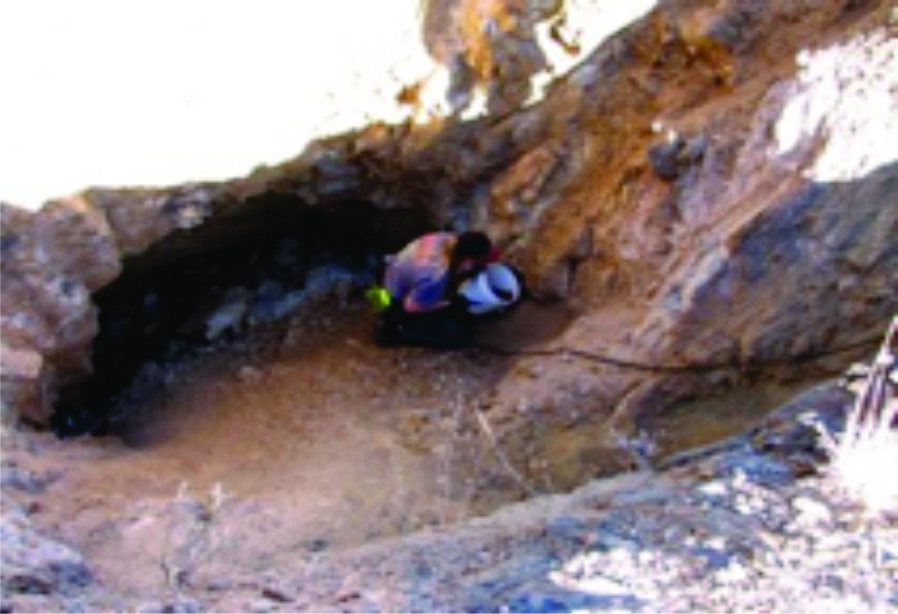
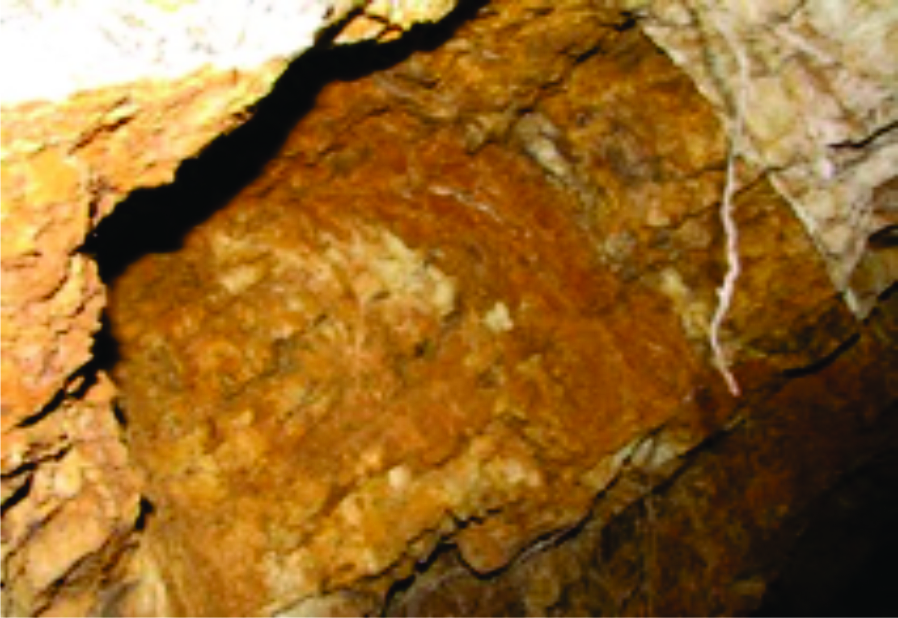
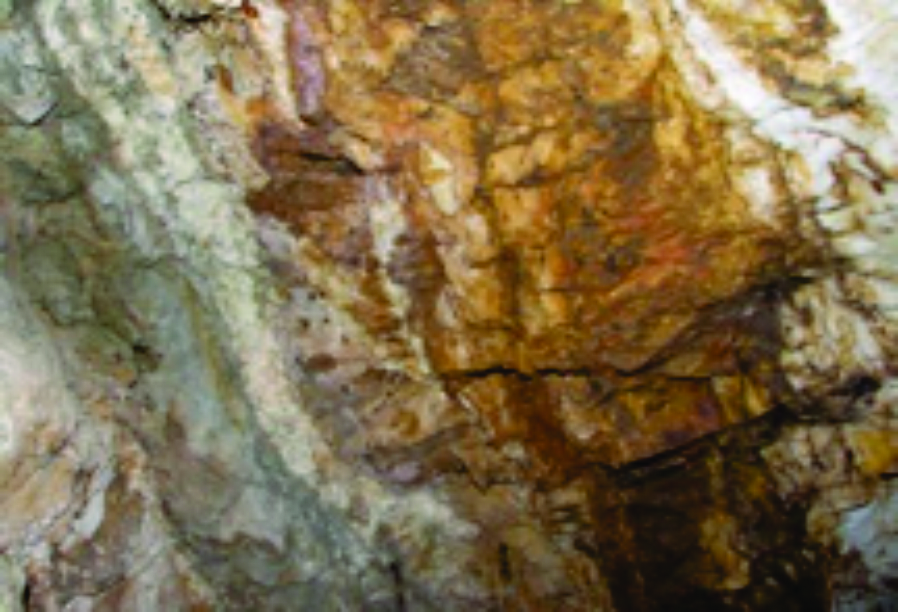
The 3rd picture is 45 feet inside the lowest tunnel on the Shooting Star vein on our Golden Legion Claim. This is the area the old miners removed ore in 1915. At this point the vein is about 3 feet wide and where we took a chip sample; results pending.
John C Cost 2018